PIZZA IS GOD

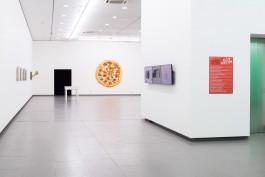
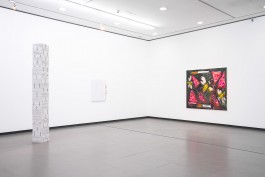
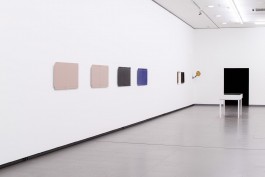
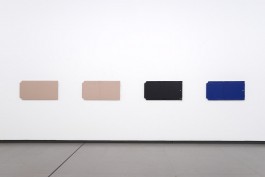
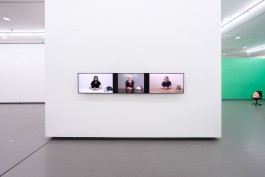
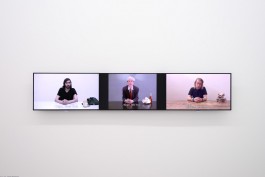
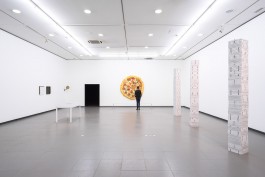
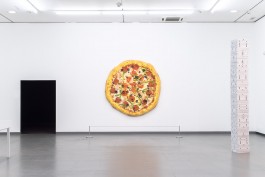
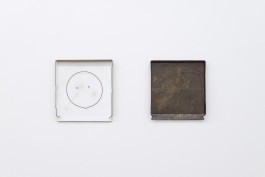
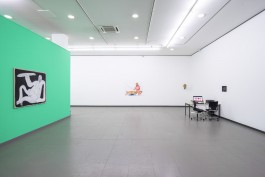
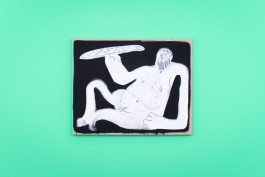
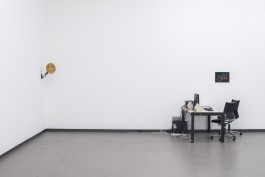
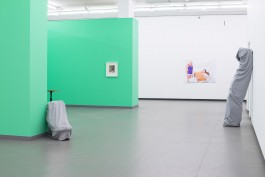
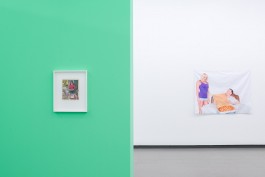
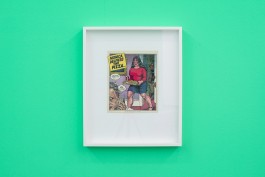
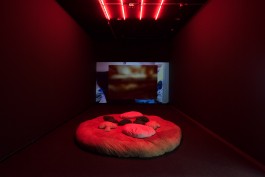
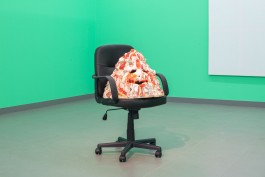
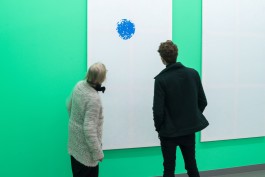
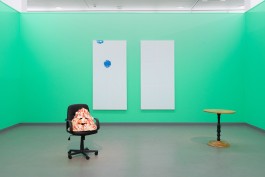
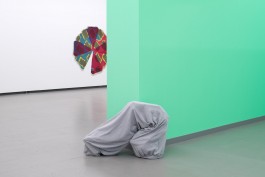
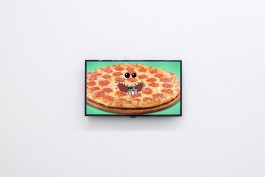
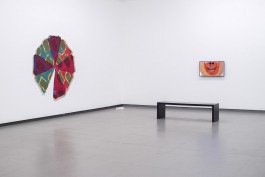
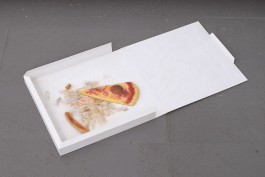
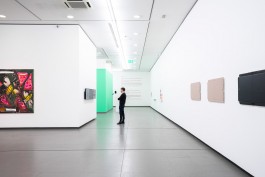
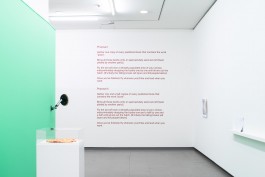
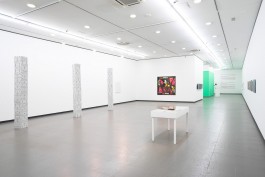
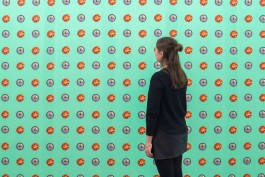
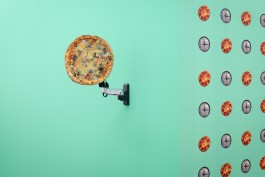
The exhibition PIZZA IS GOD was curated by Konstanze Schütze, Marie Nipper, Mikkel Carl, Paul Barsch and displayed a collection of pizza-related artworks from Cory Arcangel, John Baldessari, Darren Bader, Katherine Bernhardt, Martin Kippenberger, R. Crumb, Tom Friedman, John Bock, Reena Spaulings, Claude Viallat, Spencer, Sweeney, Chris Bradley, Paul Barsch, Simon M. Benedict, Lars Bent Petersen, Marco Bruzzone, Jennifer Chan, Simon Dybbroe Møller, Uffe Isolotto & Sixten Starck, Thomas Judisch, Jonas Lund, PIZZA PAVILION, PIZZAG8 by PCNC_BAY x BLUNT x SKENSVED, Torben Ribe, Sebastian Schmieg, Daniel van Straalen
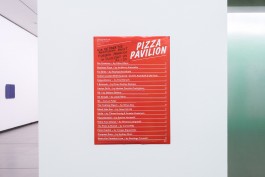
PIZZA PAVILION was part of the exhibition PIZZA IS GOD
at NRW-Forum Düsseldorf, Germany from Feb, 16. — May 20, 2018
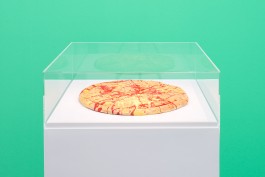
and was hosted by Pizzeria Maurizio in Düsseldorf. The Pizzeria Maurizio re-baked the 19 Pizzas
in the spirit of the first PIZZA PAVILION in Venice.
The pizzas could be ordered and eaten
at the Pizzeria during the course of the exhibition.
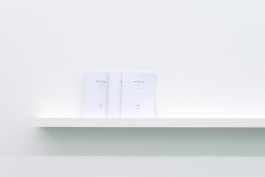
The cultural reader PIZZA IS GOD was published by Kettler Verlag in conjunction to the exhibition.

Pizza Pavilion

Daniel Van Straalen, Torben Ribe, Katherine Bernhardt


Reena Spaulings


Simon M. Benedict


Tom Friedman

Chris Bradley


Spencer Sweeney

Paul Barsch, Jonas Lund


R. Crumb, Jennifer Chan

R. Crumb

PIZZAG8 by PCNC_BAY x BLUNT x SKENSVED, Jennifer Chan

Marco Bruzzone

Marco Bruzzone

Marco Bruzzone

Claude Viallat, Marco Bruzzone

Sebastian Schmieg

Claude Viallat, Lars Bent Petersen, Sebastian Schmieg

Lars Bent Petersen


Cory Archangel

Martin Kippenberger, Paul Barsch, Daren Bader, Uffe Isolotto, Cory Arcangel

Martin Kippenberger


John Bock

Uffe Isolotto & Sixten Starck

John Baldessari


Paul Barsch

Jennifer Chan

Simon Dybbroe Møller

Thomas Judisch
Everybody knows pizza. For over half a century, pizza has been the lowest common denominator and a catalyzer of new ways of socializing around food; it is one of the first fast foods made to be shared. Everyone has eaten and enjoyed it. Pizza has become a philosophical and social mode, rather than simply a culinary treat. So what is it doing in fine art, you may ask?
As subject, symbol, and metaphor, food has been a part of visual communication since the beginning of time. After all, when the painters at Lascaux drew those bison, they probably had dinner in mind. It has figured in images of the Holy Family, of lavish court banquets, in colorful pop images, and in installation art rooted in critical discourse.
In the sixties, Warhol made a name for himself with Pop Art images of food and food commercialism. These works made a strong statement about the late twentieth-century in much the same way that da Vinci’s Last Supper made a powerful statement contemporary to his time. The point of Warhol’s paintings is to make something very ordinary—something that most people consume on a regular basis—into something extraordinary.
In the case of pizza, its cultural impact became especially clear in the eighties as a piece of nostalgia that most people associated with younger days and instant coolness. Films mythologized it as the ‘cool guys food’, and The Teenage Mutant Ninja Turtles enjoyed buying boxes of it to devour in between ass-kickings and leisure time. Bart Simpson, essentially the coolest fictional kid in the nineties, was loaded on junk food and immersed in skate culture. Pizza was included in that junk food mix. It became glorified by the punk scene and inseparable from the concept of friendship altogether. Loads of nineties shows and films featured groups of friends meeting at pizza places, or they regularly featured a bunch of friends eating pizza together.
Playing a central role in countless series and films from cartoons to porn, the mythology of pizza has been connected to the divine and universal as well as the profane and domestic. And through the past four decades, artists have appropriated, painted, moulded, reshaped, and paraphrased pizza, cementing its position as both muse and motif. Pizza has been depicted by aesthetes and muckrakers alike. In short, attitudes toward its representation in art are inextricable from religion, culture, morality, aesthetics, and much else. It has become a modern memento mori as well as a cultural cliché illustrated in paintings, sculptures, films, and performances many times and in various ways—most recently, its continuous relevance was cemented by Pizza Pavilion during the 56th Venice Biennale in 2015.
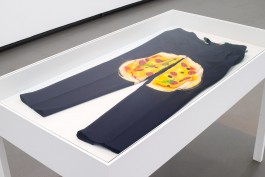
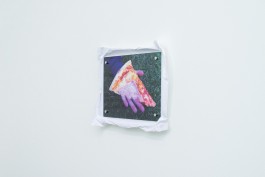
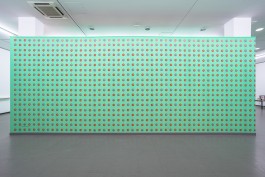
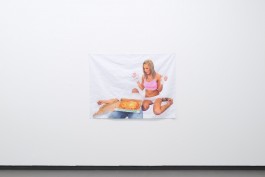
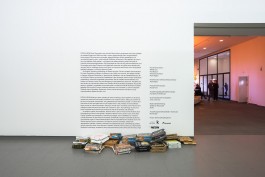
Pizza is God aims at showing the many ways in which the pizza has been used in the field of fine art, tapping into many of the above mentioned connotations. The exhibition brings together a wide range of works from internationally acclaimed artists along with works from younger, emerging artists in an equally fun and thought-provoking feast for the eyes and the mind.
(Marie Nipper, 2018)
PIZZA IS GOD

The exhibition PIZZA IS GOD was curated by Konstanze Schütze, Marie Nipper, Mikkel Carl, Paul Barsch and displayed a collection of pizza-related artworks from Cory Arcangel, John Baldessari, Darren Bader, Katherine Bernhardt, Martin Kippenberger, R. Crumb, Tom Friedman, John Bock, Reena Spaulings, Claude Viallat, Spencer, Sweeney, Chris Bradley, Paul Barsch, Simon M. Benedict, Lars Bent Petersen, Marco Bruzzone, Jennifer Chan, Simon Dybbroe Møller, Uffe Isolotto & Sixten Starck, Thomas Judisch, Jonas Lund, PIZZA PAVILION, PIZZAG8 by PCNC_BAY x BLUNT x SKENSVED, Torben Ribe, Sebastian Schmieg, Daniel van Straalen
PIZZA PAVILION was part of the exhibition PIZZA IS GOD
at NRW-Forum Düsseldorf, Germany from Feb, 16. — May 20, 2018
and was hosted by Pizzeria Maurizio in Düsseldorf. The Pizzeria Maurizio re-baked the 19 Pizzas
in the spirit of the first PIZZA PAVILION in Venice.
The pizzas could be ordered and eaten
at the Pizzeria during the course of the exhibition.
The cultural reader PIZZA IS GOD was published by Kettler Verlag in conjunction to the exhibition.

Pizza Pavilion

Daniel Van Straalen, Torben Ribe, Katherine Bernhardt


Reena Spaulings


Simon M. Benedict


Tom Friedman

Chris Bradley


Spencer Sweeney

Paul Barsch, Jonas Lund


R. Crumb, Jennifer Chan

R. Crumb

PIZZAG8 by PCNC_BAY x BLUNT x SKENSVED, Jennifer Chan

Marco Bruzzone

Marco Bruzzone

Marco Bruzzone

Claude Viallat, Marco Bruzzone

Sebastian Schmieg

Claude Viallat, Lars Bent Petersen, Sebastian Schmieg

Lars Bent Petersen


Cory Archangel

Martin Kippenberger, Paul Barsch, Daren Bader, Uffe Isolotto, Cory Arcangel

Martin Kippenberger


John Bock

Uffe Isolotto & Sixten Starck

John Baldessari


Paul Barsch

Jennifer Chan

Simon Dybbroe Møller

Thomas Judisch
Everybody knows pizza. For over half a century, pizza has been the lowest common denominator and a catalyzer of new ways of socializing around food; it is one of the first fast foods made to be shared. Everyone has eaten and enjoyed it. Pizza has become a philosophical and social mode, rather than simply a culinary treat. So what is it doing in fine art, you may ask?
As subject, symbol, and metaphor, food has been a part of visual communication since the beginning of time. After all, when the painters at Lascaux drew those bison, they probably had dinner in mind. It has figured in images of the Holy Family, of lavish court banquets, in colorful pop images, and in installation art rooted in critical discourse.
In the sixties, Warhol made a name for himself with Pop Art images of food and food commercialism. These works made a strong statement about the late twentieth-century in much the same way that da Vinci’s Last Supper made a powerful statement contemporary to his time. The point of Warhol’s paintings is to make something very ordinary—something that most people consume on a regular basis—into something extraordinary.
In the case of pizza, its cultural impact became especially clear in the eighties as a piece of nostalgia that most people associated with younger days and instant coolness. Films mythologized it as the ‘cool guys food’, and The Teenage Mutant Ninja Turtles enjoyed buying boxes of it to devour in between ass-kickings and leisure time. Bart Simpson, essentially the coolest fictional kid in the nineties, was loaded on junk food and immersed in skate culture. Pizza was included in that junk food mix. It became glorified by the punk scene and inseparable from the concept of friendship altogether. Loads of nineties shows and films featured groups of friends meeting at pizza places, or they regularly featured a bunch of friends eating pizza together.
Playing a central role in countless series and films from cartoons to porn, the mythology of pizza has been connected to the divine and universal as well as the profane and domestic. And through the past four decades, artists have appropriated, painted, moulded, reshaped, and paraphrased pizza, cementing its position as both muse and motif. Pizza has been depicted by aesthetes and muckrakers alike. In short, attitudes toward its representation in art are inextricable from religion, culture, morality, aesthetics, and much else. It has become a modern memento mori as well as a cultural cliché illustrated in paintings, sculptures, films, and performances many times and in various ways—most recently, its continuous relevance was cemented by Pizza Pavilion during the 56th Venice Biennale in 2015.
Pizza is God aims at showing the many ways in which the pizza has been used in the field of fine art, tapping into many of the above mentioned connotations. The exhibition brings together a wide range of works from internationally acclaimed artists along with works from younger, emerging artists in an equally fun and thought-provoking feast for the eyes and the mind.
(Marie Nipper, 2018)